
Welcome to Narryna
We respect the original owners of the land upon which Narryna stands, the Muwinina people. We acknowledge the Tasmanian Aboriginal community, the continuing custodians of lutruwita (Tasmania).
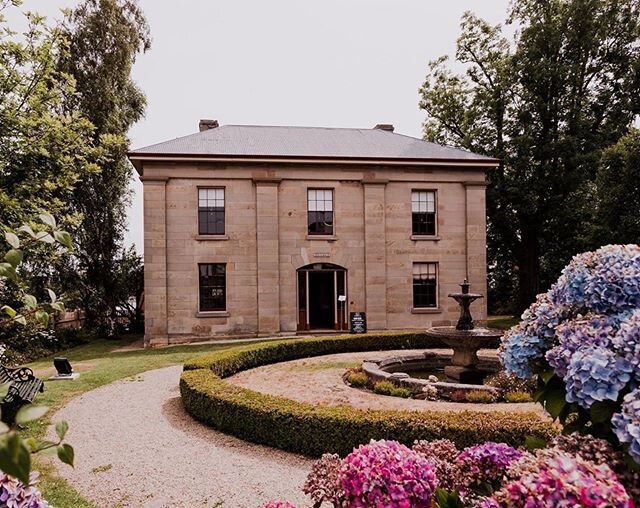
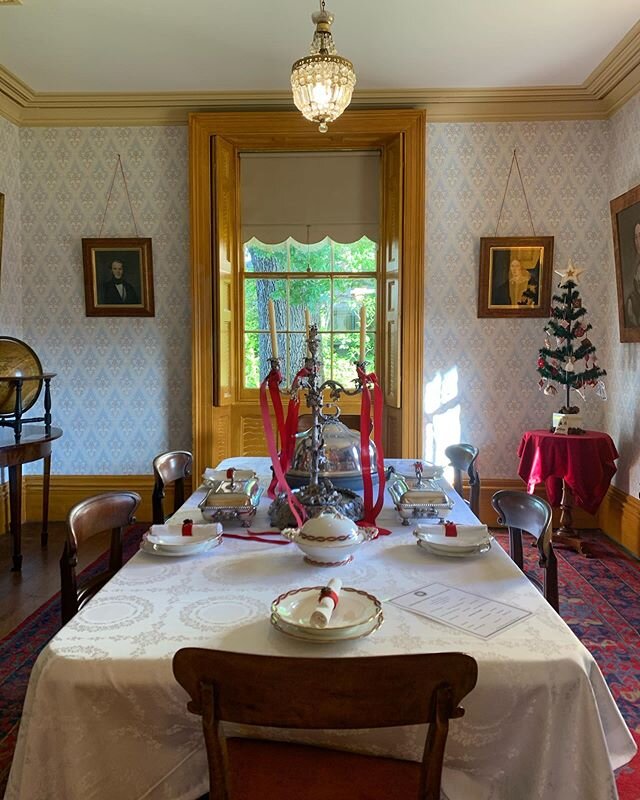
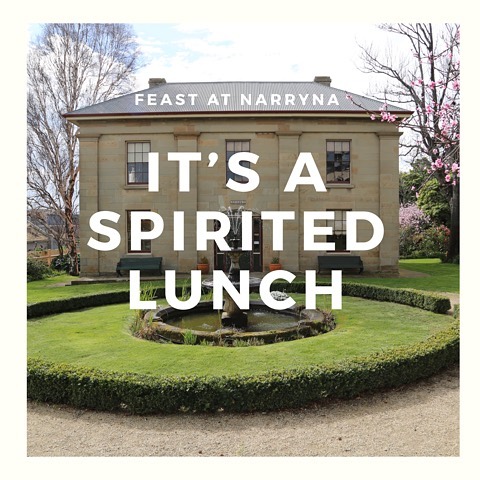
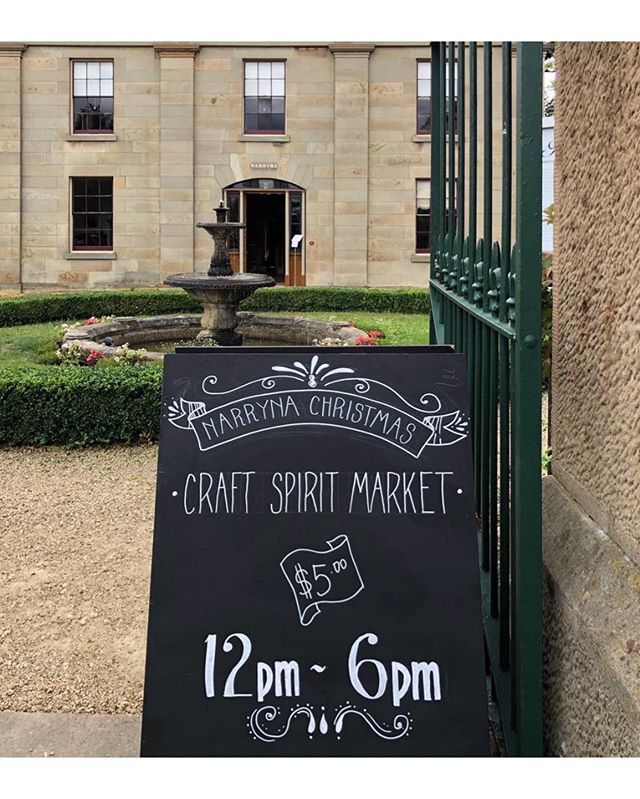
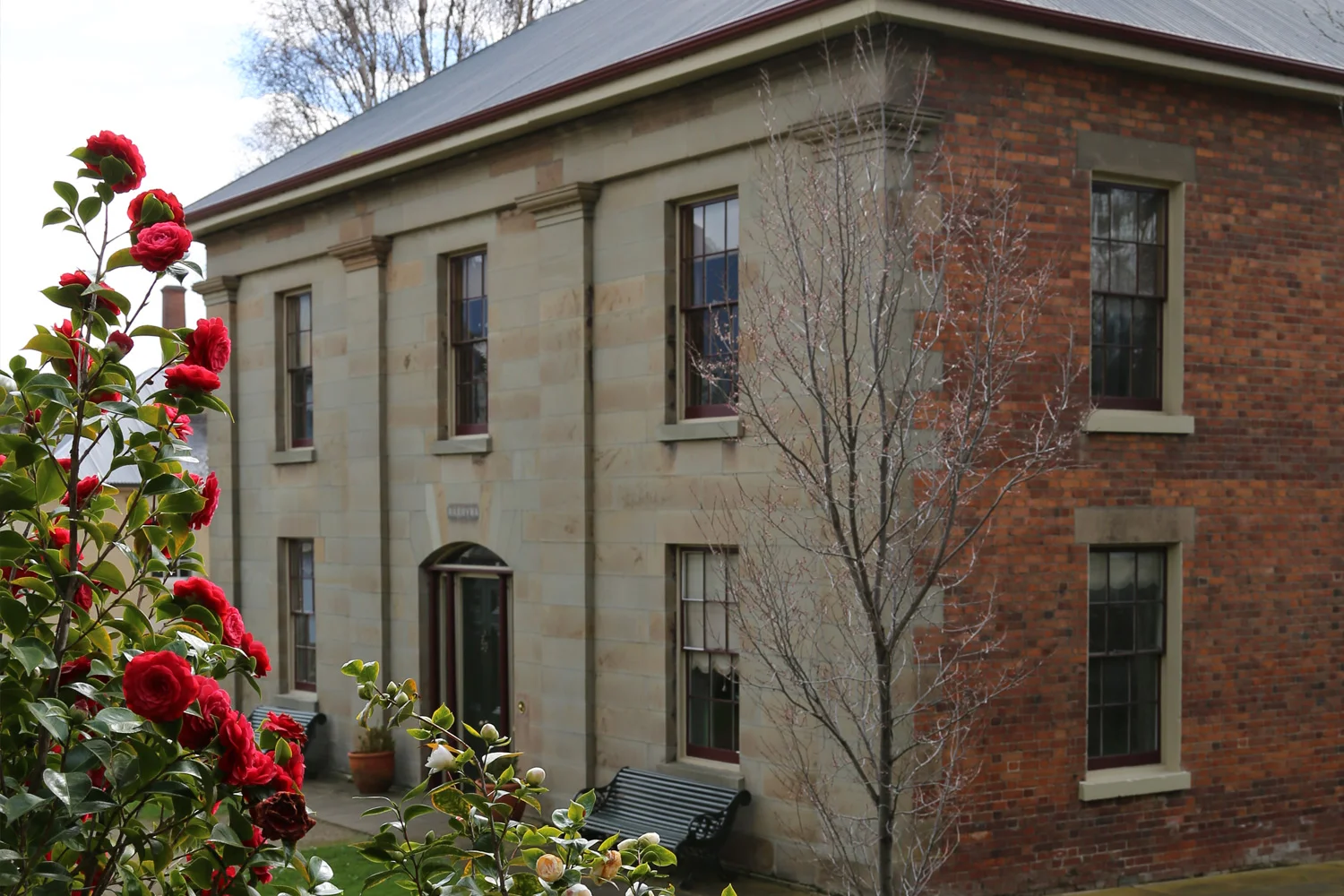
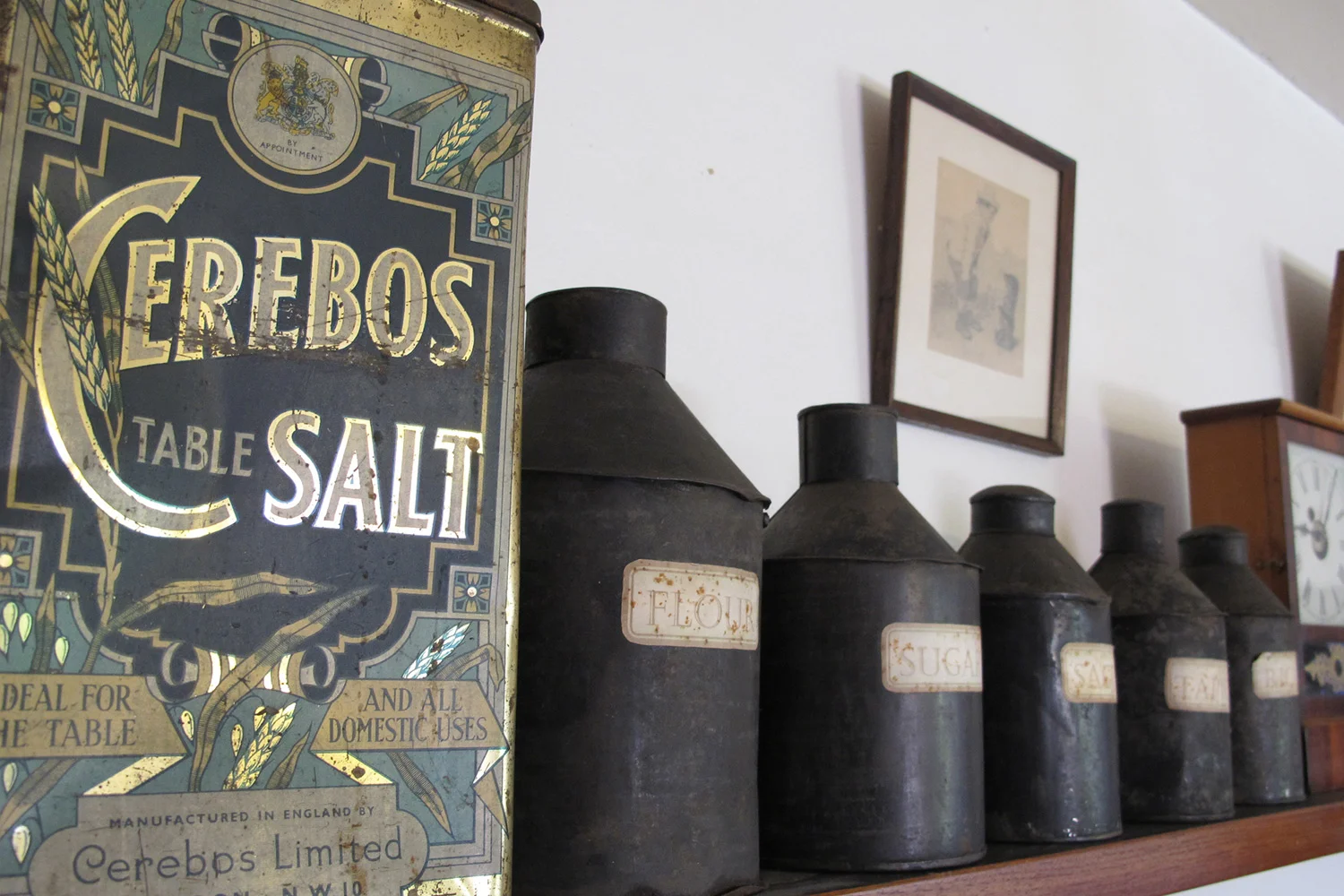
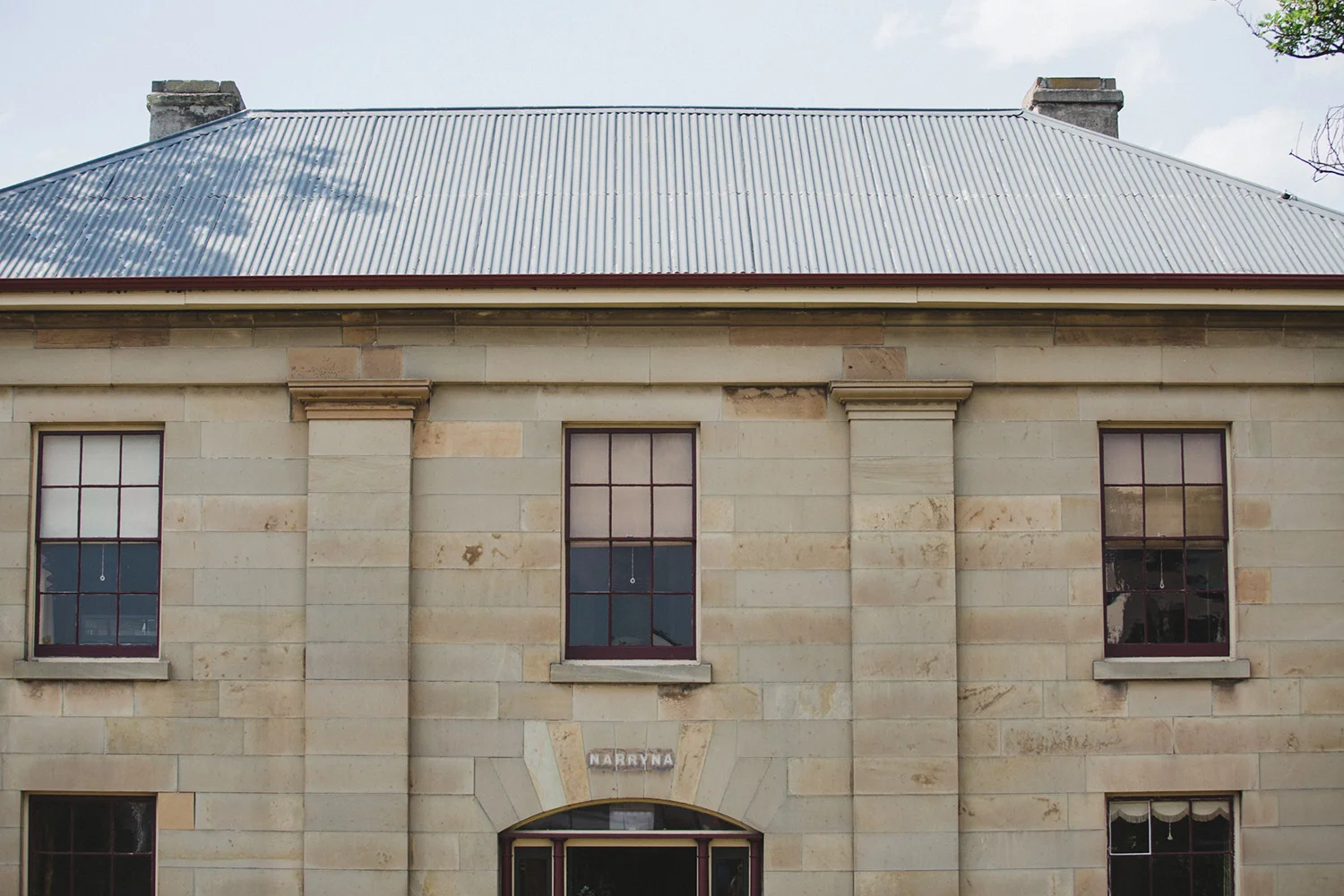
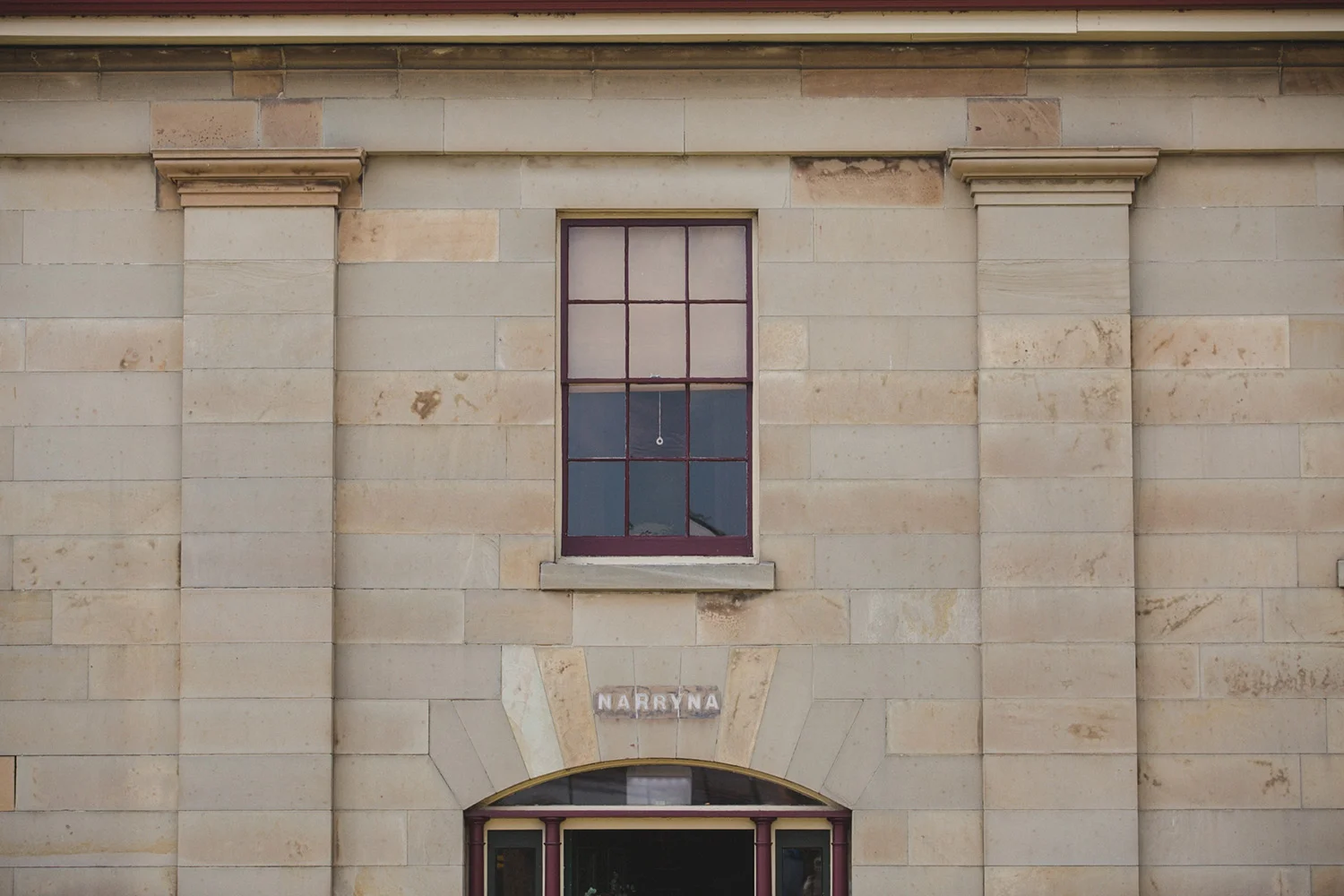
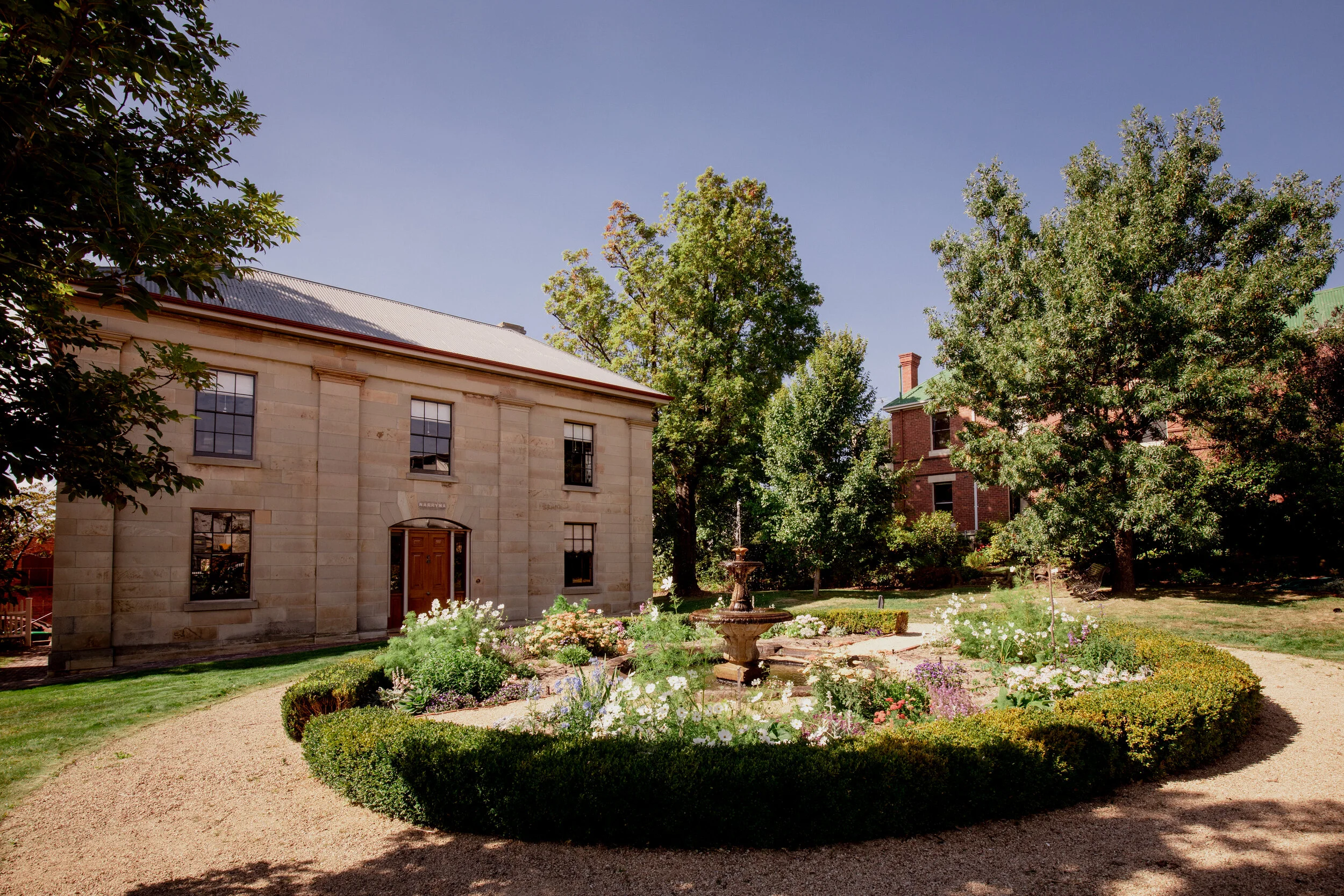
Narryna is an 1830s merchant’s house and collection that tells the story of early colonial life in Hobart. The fine Georgian town house was built by seafarer, Captain Andrew Haig who built warehouses facing Salamanca Place in 1834. Narryna has had an adventurous life as a home to large families, boarding house, hospital and museum.
Step into Narryna for a rich experience of Tasmania’s social history, art and design traditions.
NARRYNA OPENING HOURS
Narryna is open to the public
Tuesday to Saturday
10am to 4pm
Closed Sunday & Monday
Please note 2024 dates we are closed to the Public
Closed: Tasmanian Public Holidays, Good Friday and Easter Tuesday ANZAC Day (25 April), Hobart Show Day, Christmas Day (25 December), Boxing Day (26 December), New Year's Day.

Admission
Adults $10, concession $8, child (to 18 years) $5
Enquire about our special group booking rate, combined ticket with Markree House Museum and Garden, school education programs and events.
ACCESS
The garden and ground floor of Narryna has wheelchair access. Owing to the age of the building there is limited access to the upper floor and service wing. Please contact us so we can facilitate your visit.

Weddings & EVENTS AT NARRYNA
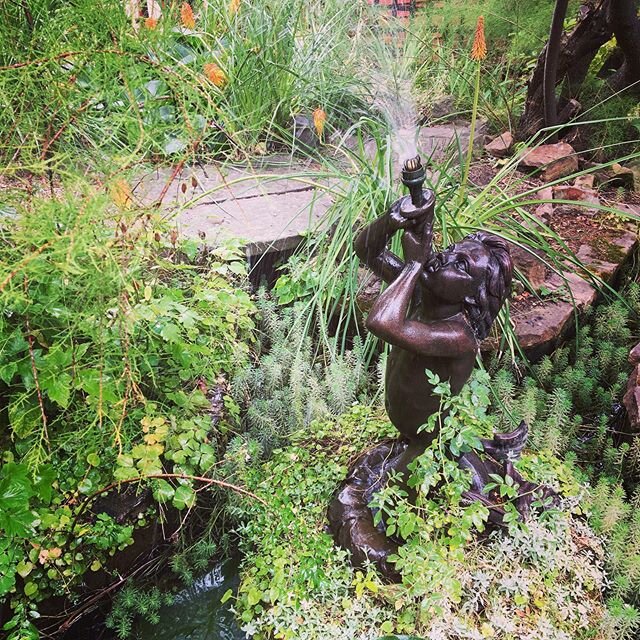
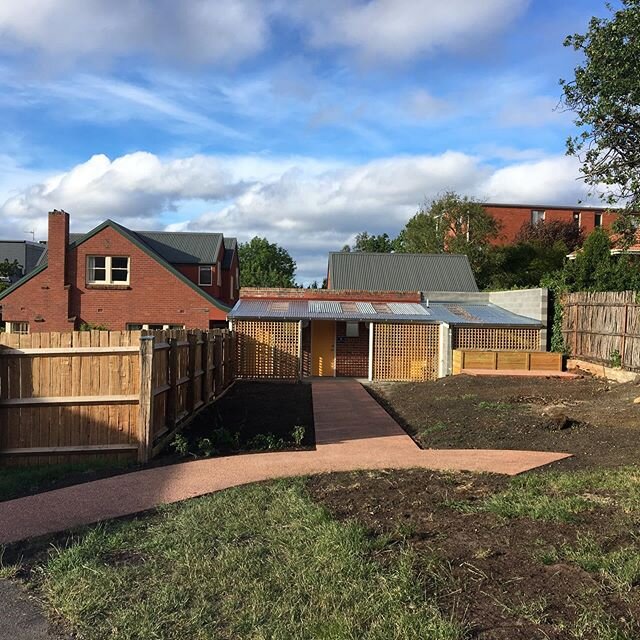
Narryna garden, courtyard and large undercover shed provide the ideal location for your wedding or event. Whether it is an intimate wedding or a large family reunion, Narryna offers many beautiful settings. Click below to find out how we can help you to create the perfect event.

exhibitions & EVENTS
What’s on at Narryna?
Narryna hosts a dynamic program of exhibitions, events and education programs. Click below to see what’s on now or coming soon.
Who we are
Narryna is an independent community museum housed in the 1830s historic house — Narryna, at 103 Hampden Road Battery Point.

The museum was founded in 1955 as the Van Diemen’s Land Memorial Folk Museum. Narryna Heritage Museum Inc. is a registered charity with the Australian Charities and Not-For-Profits Commission (ACNC) as a custodian of community heritage and provider of education services.
The museum is governed by a Council (board) comprising of community representatives and representatives of the Tasmanian Museum and Art Gallery (TMAG). Day-to-day operational management is undertaken by TMAG under a Memorandum of Understanding. Narryna is supported through Arts Tasmania’s Cultural Heritage Program.
Narryna is in the process of carrying out capital improvements, enhanced interpretation of its interiors and increased public access to its collections through grant funding and public fundraising. We would like to acknowledge:
Arts Tasmania • The Allport Bequest • The Copland Foundation • Hobart City Council • The Tasmanian Community Fund

Follow us @narrynamuseum